
Malaysia’s Infrastructure Revolution
Building tomorrow through strategic corridors, rural connectivity, and smart city innovation under the Twelfth Malaysia Plan
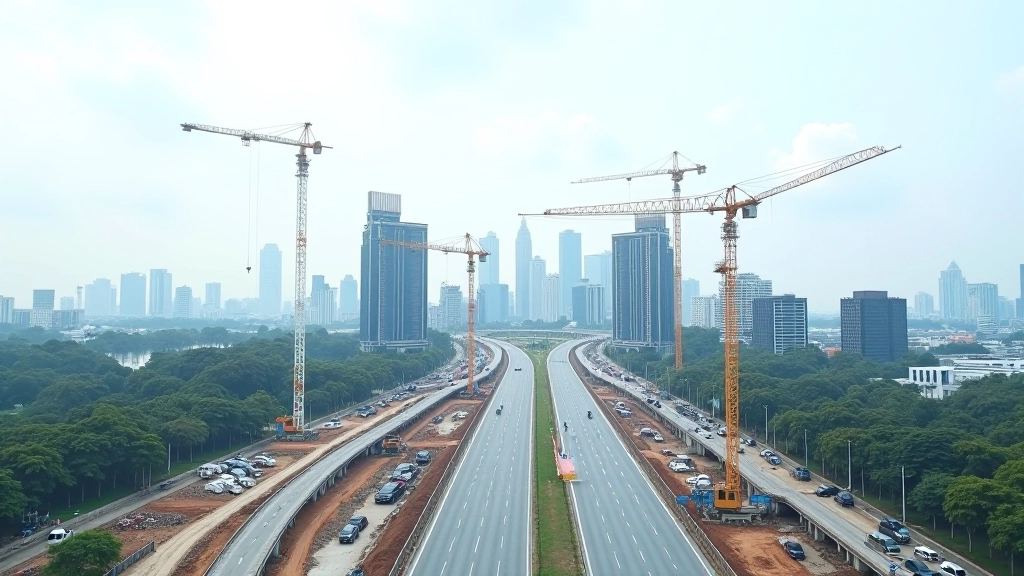
Key Infrastructure Priorities
Strategic focus areas driving Malaysia’s economic growth and regional connectivity
Transport Corridors
Connecting major economic zones through modern highways and efficient logistics networks. Reducing travel times between regions and boosting cross-state commerce.
Smart City Initiatives
Digital transformation of urban spaces through IoT technology and sustainable urban planning. Creating livable, efficient cities for future generations.
Rural Connectivity
Bridging the digital divide through broadband infrastructure and road improvements. Bringing opportunity to underserved communities across the countryside.
Construction Sector
Economic contribution through employment, innovation, and technological advancement. Building the foundation for sustained national growth and prosperity.
Economic Impact
Job creation, skills development, and GDP growth across all regions. Infrastructure investment driving multiplier effects throughout the economy.
Sustainable Development
Green infrastructure and environmental stewardship. Building growth that doesn’t compromise future environmental and social wellbeing.
Understanding Malaysia’s Infrastructure Vision
The Twelfth Malaysia Plan represents a comprehensive commitment to modernizing the nation’s infrastructure. We’re not just building roads and cities — we’re creating an interconnected ecosystem that supports sustainable economic growth.
Transport corridors are reducing logistics costs and travel times. Smart city initiatives are improving quality of life in urban centers. Rural connectivity upgrades are bringing opportunity to communities that’ve been left behind. And through it all, the construction sector is generating employment and driving innovation.
This infrastructure revolution isn’t about grand gestures. It’s about practical investments that work — better roads mean faster commerce, digital access means better education, modern cities mean healthier populations. Malaysia’s building its future one project at a time.
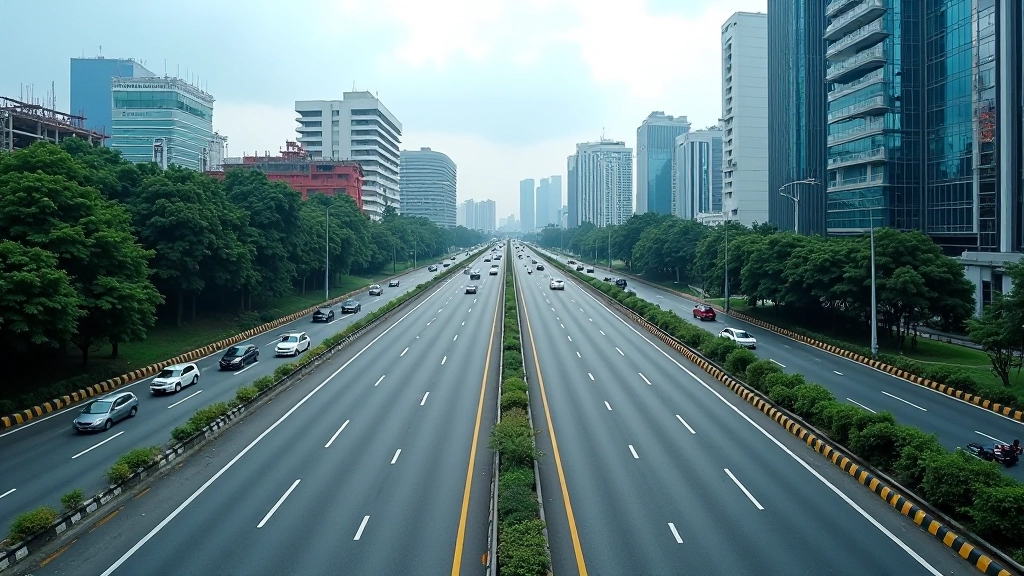
How Infrastructure Development Works
A systematic approach to planning, implementation, and community benefit
Strategic Planning
Identifying priority corridors and regions based on economic potential, population needs, and regional balance. Planning that considers both immediate impact and long-term sustainability.
Implementation & Investment
Mobilizing resources and expertise to execute projects on schedule. Partnering with private sector, leveraging technology, and maintaining quality standards throughout construction phases.
Community Benefits
Creating jobs, improving connectivity, and enhancing quality of life. Infrastructure projects become catalysts for local economic development and social progress across all communities.
Infrastructure Impact By Numbers
Measuring progress across Malaysia’s development priorities
km of new transport corridors planned under the Twelfth Malaysia Plan
Jobs created through infrastructure and construction sector development
of rural areas targeted for broadband connectivity improvements
major smart city transformation initiatives across Malaysian urban centers
Infrastructure Development & Malaysia’s Growth
Explore key initiatives shaping the nation’s future

Transport Corridors: Connecting Malaysia’s Growth
How strategic transport corridors are reducing travel times between regions and boosting economic activity across the country through improved connectivity.
Read More
Building Smart Cities in Malaysia
Discover how smart city initiatives are transforming urban areas through IoT technology, sustainable development, and improved citizen services across major Malaysian cities.
Read More
Rural Connectivity: Bridging the Development Gap
Explore rural infrastructure upgrades bringing broadband access, improved roads, and digital services to underserved communities across Malaysia’s countryside regions.
Read MoreCommon Questions About Malaysia’s Infrastructure Plan
Understanding the Twelfth Malaysia Plan and its impact on regional development
What are transport corridors and why do they matter?
Transport corridors are strategic routes connecting major economic centers. They reduce logistics costs, shorten travel times between regions, and facilitate trade. Better connectivity means businesses can operate more efficiently and consumers benefit from faster delivery of goods and services.
How do smart city initiatives improve quality of life?
Smart cities use technology to optimize urban services — traffic management, public transportation, utilities, and emergency response. They reduce congestion, lower energy consumption, and create more livable environments. Citizens benefit from better services while cities become more sustainable and efficient.
What’s the focus on rural connectivity?
Rural areas often lack reliable broadband and modern roads. These upgrades bring digital access for education and business, improve road safety and commerce, and create economic opportunities in underserved communities. It’s about ensuring all Malaysians benefit from development progress.
How does infrastructure development create jobs?
Construction and infrastructure projects require skilled workers across multiple sectors — engineering, planning, equipment operation, and project management. Beyond direct employment, improved infrastructure attracts businesses and enables economic growth, creating additional job opportunities downstream.
What’s the timeline for these projects?
The Twelfth Malaysia Plan spans multiple years with phased implementation. Some transport corridor sections are already operational while others are in planning or construction phases. Smart city projects roll out progressively across urban centers as technology and planning mature.
How do these projects support sustainable development?
Infrastructure investments emphasize environmental responsibility — green building standards, public transportation to reduce emissions, and sustainable urban planning. The goal isn’t just growth, but growth that preserves natural resources and environmental quality for future generations.
Why Infrastructure Investment Matters
Understanding the broader impact of strategic infrastructure development
Economic Competitiveness
Modern infrastructure makes Malaysia more attractive to investors and businesses. Better logistics networks, digital connectivity, and efficient urban services create competitive advantages that drive economic growth and attract international partnerships.
Regional Equity
Infrastructure development isn’t concentrated in major cities. Rural connectivity upgrades and regional transport corridors ensure opportunity reaches all communities. This balanced development reduces regional inequality and strengthens national cohesion.
Skills & Innovation
Large-scale infrastructure projects drive demand for skilled workers and encourage technological innovation. Malaysia’s construction and engineering sectors develop expertise that’s competitive globally while creating pathways for professional advancement.
Quality of Life
Better roads mean safer commutes and less time wasted in traffic. Broadband access opens educational opportunities. Smart city services improve healthcare, emergency response, and daily convenience. Infrastructure improvements directly enhance how people live.
Ready to Learn More?
Explore detailed information about Malaysia’s infrastructure development initiatives, transport corridor projects, smart city implementations, and rural connectivity upgrades under the Twelfth Malaysia Plan.