Transport Corridors: Connecting Malaysia’s Growth
How strategic transport corridors are reducing travel times between regions and boosting economic activity across the country through improved connectivity

Why Transport Corridors Matter for Malaysia
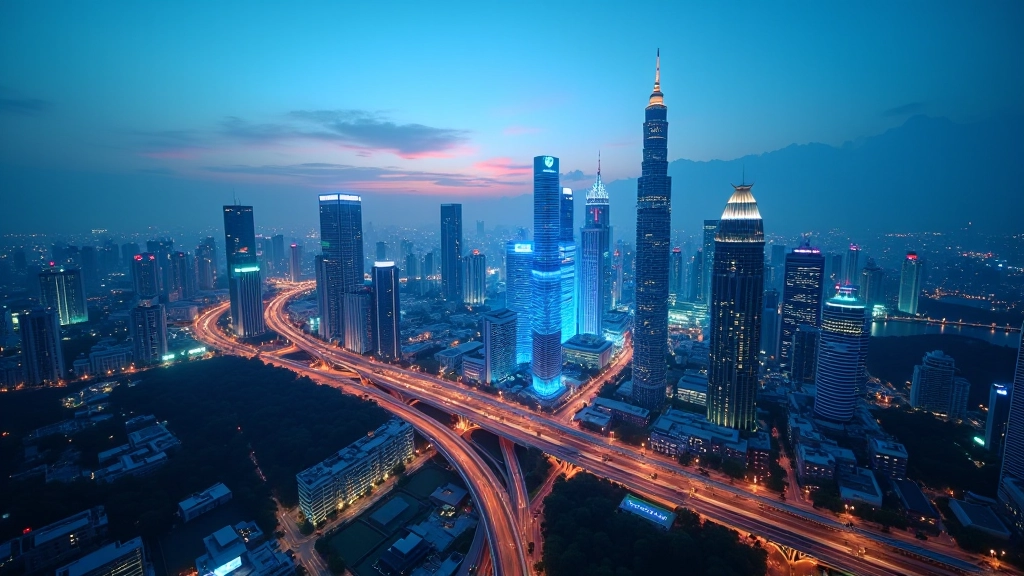
Malaysia’s economy depends on connectivity. When roads, highways, and rail networks function efficiently, goods move faster, businesses expand, and communities thrive. It’s that simple. Transport corridors aren’t just about getting from point A to point B — they’re about unlocking economic potential across regions.
The Twelfth Malaysia Plan recognizes this reality. Over the next five years, the government is investing heavily in transport infrastructure that’ll reduce bottlenecks, shorten travel times, and create new opportunities for rural areas and urban centers alike. These corridors connect manufacturing hubs to ports, link agricultural regions to markets, and improve daily commutes for millions of Malaysians.

Real Benefits: What Improved Corridors Deliver
Travel times have been dropping significantly. A journey that used to take three hours between Kuala Lumpur and Ipoh now takes about two hours on improved expressways. That’s not just convenient — it’s transformative for businesses. Companies can operate distribution centers in lower-cost areas while serving urban markets quickly. Employees don’t waste half their day commuting.
Rural regions benefit tremendously. Better road networks mean farmers can reach markets faster, reducing spoilage of perishable goods. Small businesses can access suppliers and customers they couldn’t reach before. Employment opportunities expand as companies establish operations in previously remote areas. We’ve seen this play out across Southeast Asia — infrastructure investment correlates directly with rural income growth.

The Major Corridors Taking Shape
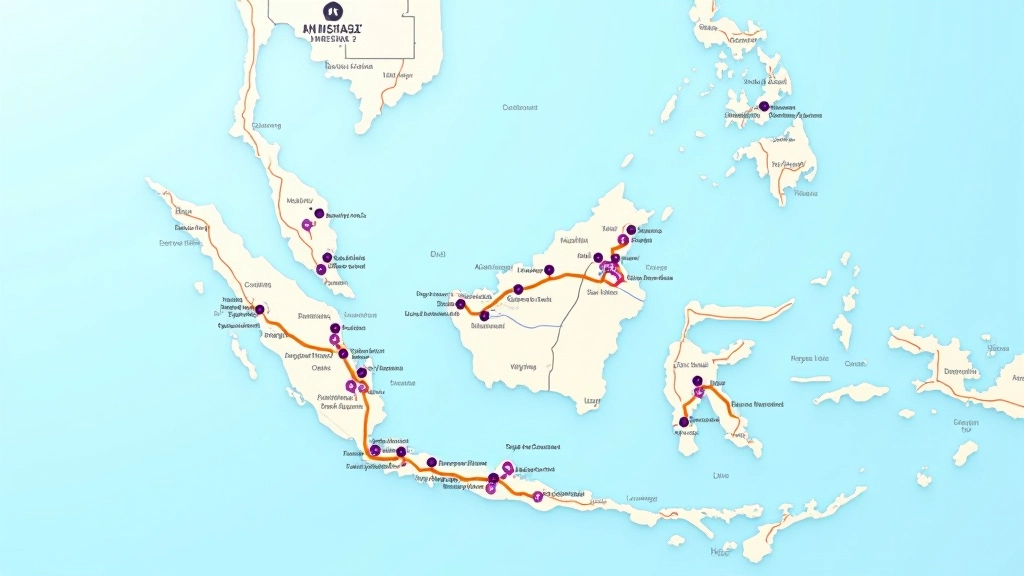
Malaysia’s transport network isn’t random. The Twelfth Plan focuses on specific corridors that’ll drive growth where it’s needed most. The West Coast Expressway extensions connect Kuala Lumpur to Penang and beyond — this reduces congestion on older routes and opens new commercial possibilities. The Pan-Borneo Highway is transforming Sarawak and Sabah, connecting previously isolated communities to major economic centers.
Rail development is equally critical. The Malaysian Railways is upgrading passenger and freight rail networks. Faster trains mean more people can live outside major cities and still work in them. Freight rail moves bulk cargo efficiently — container traffic through Port Klang is surging because rail connections are improving. These aren’t flashy projects, but they’re fundamental to how the economy functions.
Urban public transport is expanding too. Kuala Lumpur’s MRT extensions, Penang’s rapid transit system, and Johor’s developing rail network reduce reliance on cars. Fewer cars on roads means less congestion, better air quality, and faster movement for everyone. It’s a multiplier effect — better transit attracts businesses and talent to cities.
Challenges and Reality
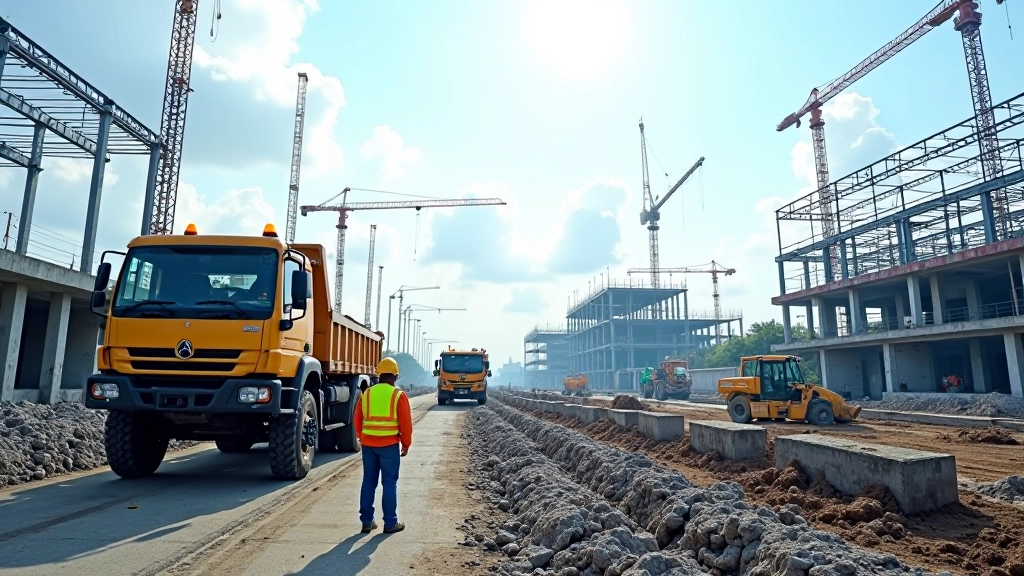
Building transport infrastructure isn’t straightforward. Corridors require land acquisition, environmental assessments, and coordination between federal and state governments. Construction takes years. Costs escalate. Materials and labor availability fluctuate. These are real obstacles, and they’re why the government’s committed timeline matters — it signals serious intent despite the complexity.
Maintenance is another critical piece. A new highway only delivers value if it’s properly maintained. Malaysia’s hot, humid climate is tough on asphalt and concrete. Funding for long-term maintenance sometimes gets squeezed. The best-designed corridor fails if it deteriorates because upkeep was underfunded.
Integration across modes matters too. Excellent highways don’t help if rail connections are poor. Bus networks need to feed into rail hubs. Last-mile connectivity — getting people from transit stops to homes and offices — requires thoughtful urban planning. When these pieces don’t fit together, efficiency drops and traffic still backs up.

Economic and Social Impact
When transport corridors work well, the effects ripple across the entire economy. Companies relocate distribution centers to strategic corridor locations. Manufacturing clusters develop near improved transport hubs. Real estate values rise in well-connected areas. Employment grows not just in construction but in logistics, warehousing, retail, and services that follow better connectivity.
Regional Development
Provinces once considered peripheral become attractive to investors. When a region gets reliable transport links to major markets, businesses invest. Employment expands beyond agriculture into manufacturing and services. Local tax revenues increase, funding schools and healthcare.
Supply Chain Efficiency
Shorter travel times mean lower logistics costs. Products reach markets faster, staying fresher. Inventory costs drop because goods don’t sit in transit. Companies can reduce safety stock when supply chains are reliable. These savings flow through to consumers as lower prices.
Labor Mobility
Workers can live farther from jobs without excessive commute times. Families aren’t forced to choose between housing affordability and employment opportunity. Improved transit also helps lower-income workers access jobs they couldn’t reach before, broadening economic participation.
“Transport infrastructure is the foundation of economic growth. Without it, businesses can’t operate efficiently, talent can’t reach jobs, and communities remain isolated. It’s not glamorous, but it’s essential.”
— Dr. Azman Saad, Infrastructure Economist
The Path Forward
Malaysia’s transport corridor investments aren’t just about building roads and railways. They’re about creating the physical foundation for economic opportunity, regional balance, and improved quality of life. When corridors work well, people spend less time stuck in traffic. Businesses move goods faster. Communities that were previously isolated get connected to growth opportunities.
The Twelfth Malaysia Plan commits significant resources to these projects. Success requires sustained funding, effective project management, and ongoing maintenance. It’s a long-term commitment, and it’s exactly what the country needs. These corridors won’t deliver instant results, but over five to ten years, the compounding effects of better connectivity transform regions.
Understanding transport corridors helps you see how infrastructure shapes the economy around you. The next time you drive on a new highway or ride an improved transit line, you’re experiencing the real-world impact of these strategic investments. They’re investments in Malaysia’s future, and they’re worth paying attention to.
Disclaimer
This article provides educational information about Malaysia’s transport corridor development and the Twelfth Malaysia Plan. The statistics, timelines, and project details are based on publicly available information as of March 2026. Infrastructure projects evolve, budgets change, and timelines shift. For current, official information about specific transport corridor projects, construction timelines, and funding details, we recommend consulting the official Ministry of Works and the Malaysian government’s infrastructure portal. This content is informational and shouldn’t be relied upon for investment decisions or business planning without verification from official sources.