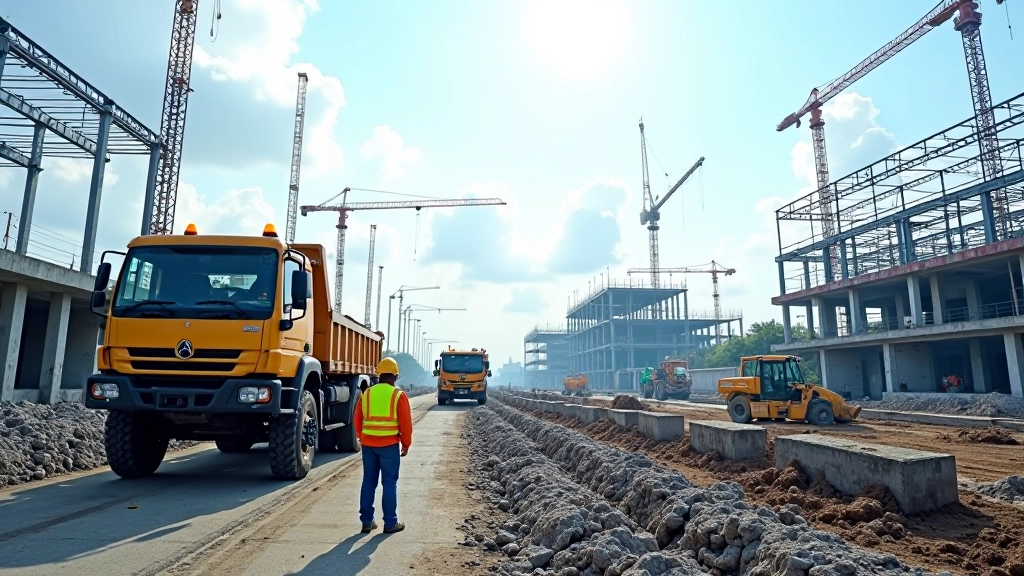

Transport Corridors: Connecting Malaysia’s Growth
How strategic transport corridors are reducing travel times between regions and supporting economic integration across Malaysia.
Read ArticleDiscover how IoT technology, sustainable infrastructure, and innovative urban planning are transforming Malaysian cities into connected, efficient, and livable communities.

Smart cities aren’t just about having fancy technology. They’re about connecting people, infrastructure, and data in ways that actually improve daily life. In Malaysia, we’re seeing this happen across major urban centers through the Twelfth Malaysia Plan’s infrastructure initiatives.
The concept goes beyond installing sensors and networks. It’s about using real-time data to solve actual problems — reducing traffic congestion, improving emergency response times, managing utilities more efficiently, and creating spaces where citizens can thrive. When you walk through a truly smart city, you notice the difference in how things work, not necessarily in the technology itself.
The foundation of smart city development relies on interconnected technologies working together. Internet of Things sensors monitor everything from air quality to traffic flow. These devices collect millions of data points daily, feeding into cloud platforms where artificial intelligence analyzes patterns and suggests optimizations.
5G networks enable real-time communication between systems. A traffic light adjusts timing based on live traffic data. Parking systems guide drivers to available spots, reducing time spent circling blocks. Water management systems detect leaks instantly. It’s not magic — it’s systematic, intelligent use of data.
Malaysia’s approach integrates these technologies with existing infrastructure. We’re not replacing everything overnight. Instead, we’re retrofitting smart sensors into current systems, creating layers of intelligence that make cities more responsive and efficient. The investment spans broadband expansion, digital platforms, and training for city administrators who’ll manage these systems.


Building a smart city requires more than technology — it demands careful planning and community involvement. Malaysian cities are taking a phased approach. First comes infrastructure assessment. City planners identify the biggest pain points: Is it congestion? Flooding? Service delivery? These become priority areas.
Next comes pilot deployment. A single district gets equipped with sensors, networks, and management software. Teams monitor performance over 6-12 months, learning what works and what needs adjustment. Early pilots in Kuala Lumpur, George Town, and Johor Bahru have demonstrated measurable improvements in traffic flow, emergency response times, and utility management.
Then comes scaling. Successful pilots expand to neighboring areas. The data and lessons learned inform broader city-wide implementation. This approach reduces risk, manages costs, and ensures systems are actually solving real problems rather than being technology for technology’s sake.
Smart cities deliver tangible improvements across multiple dimensions of urban life.
Adaptive traffic systems cut travel times by 15-25%. Commuters spend less time stuck in traffic, saving fuel and reducing emissions.
Lower emissions, better air quality monitoring, and optimized resource management. Cities can meet sustainability targets more efficiently.
Real-time incident detection and optimized routing reduce emergency response times. Smart systems guide ambulances and fire trucks more efficiently.
Citizens report issues through apps, and maintenance teams respond faster. Water leaks are detected before major damage. Services actually work for people.
Smart cities attract tech companies, create jobs in implementation and maintenance, and boost productivity. Businesses thrive in well-functioning urban environments.
Less stress from traffic, cleaner air, safer neighborhoods, and better access to services. People genuinely notice improvements in their daily experience.
Smart city development isn’t straightforward. Malaysia faces genuine challenges that need honest acknowledgment. First comes cost. Building IoT infrastructure, upgrading networks, and developing management platforms requires substantial investment. That’s why the Twelfth Malaysia Plan allocates significant resources and why public-private partnerships play such an important role.
Data security and privacy matter enormously. When cities collect millions of data points about citizens and infrastructure, protecting that information becomes critical. Malaysia’s approach includes strong data governance frameworks and privacy protections. Citizens need confidence that their information stays secure and isn’t misused.
Skills gaps exist. Cities need people who understand IoT systems, data analysis, and technology management. Training programs are expanding to build local expertise rather than relying entirely on external consultants. This creates jobs while ensuring cities can actually maintain and improve their systems long-term.


The construction and technology sectors drive Malaysia’s economy, and smart city development amplifies both. The Twelfth Malaysia Plan directs investments toward urban infrastructure that’ll generate returns for decades. These aren’t just spending — they’re investments in economic productivity.
Construction companies benefit from contracts worth millions. Tech firms establish regional headquarters. Telecommunications companies expand network infrastructure. Service providers maintain systems. The economic multiplier effect spreads benefits across entire industries. When you build a smart city, you’re not just improving urban services — you’re creating an entire ecosystem of economic activity.
Employment opportunities span everything from civil engineering to software development to urban planning. Colleges are expanding programs to train the next generation of professionals who’ll build and maintain these systems. The construction sector alone has shown it can handle massive infrastructure projects — smart cities are the next frontier where these skills apply.
“A smart city isn’t about technology for its own sake. It’s about using data and connectivity to solve real problems that citizens face every day. When a commuter saves 30 minutes in traffic, when emergency services reach someone 2 minutes faster, when a family gets clean water without interruption — that’s when smart cities succeed.”
— Urban Infrastructure Expert, Malaysian Planning Commission
Malaysia’s smart city journey is just beginning. We’re not at the finish line — we’re in the middle chapters of a story that’ll unfold over the next decade. The Twelfth Malaysia Plan provides the roadmap. Transport corridors connect cities, enabling shared best practices and data. Rural connectivity upgrades ensure that smart city benefits eventually reach beyond major urban centers. Construction sector strength provides the capacity to execute these plans.
Cities like Kuala Lumpur, George Town, and Johor Bahru are becoming test beds where innovations happen. What works there gets refined and scaled. Smaller cities watch and learn. Eventually, the principles of smart city development spread throughout the country. This isn’t a one-year transformation — it’s a sustained, multi-year commitment to building better urban infrastructure.
The success of this vision depends on continued investment, skilled workforce development, and genuine commitment to solving citizen problems rather than just deploying technology. When all these elements align — and the evidence suggests they’re aligning in Malaysia — cities genuinely transform into smarter, more efficient, more livable places.
Explore how transport corridors, rural connectivity, and construction sector growth are working together to build a more connected Malaysia.
Explore Infrastructure ResourcesThis article provides educational information about smart city development and Malaysia’s infrastructure initiatives. Information presented reflects current planning and initiatives as of March 2026. Specific timelines, budgets, and technical specifications may change as projects evolve. For official policy details and investment information, please consult the Malaysian Planning Commission and relevant government agencies.