




Nexus Infrastructure Logo Nexus Infrastructure Contact Us
Contact Us
Economic Analysis

Construction Sector: Economic Engine of Growth

Understand how Malaysia’s construction industry drives economic development, job creation, and the Twelfth Malaysia Plan’s infrastructure vision.

10 min read Intermediate March 2026
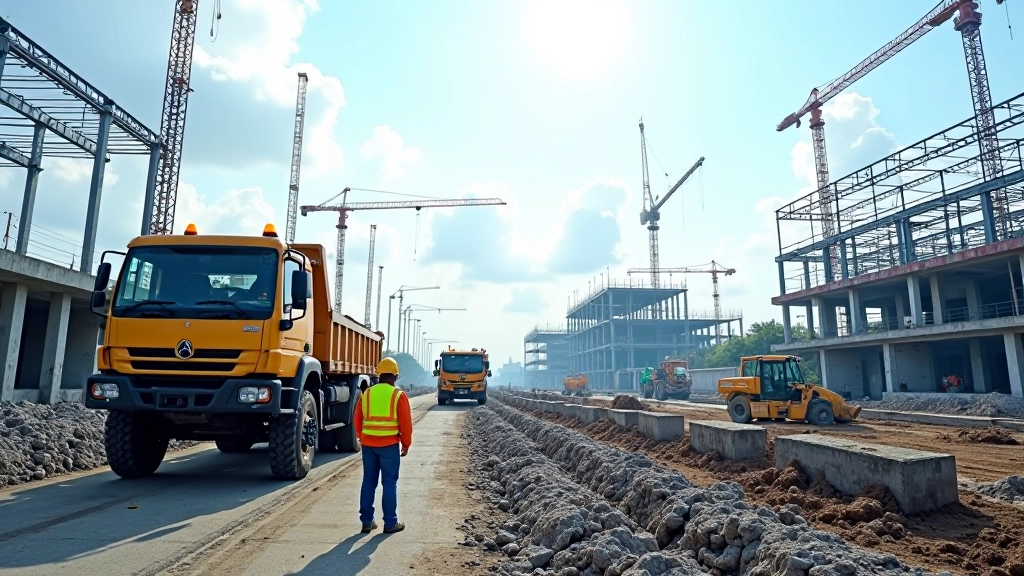
Active construction site with cranes and workers, building framework under development in industrial area with heavy equipment

Why Construction Matters Now

The construction sector isn’t just about building buildings. It’s the backbone of Malaysia’s economic growth, employing over 800,000 people directly and millions more indirectly. When you invest in infrastructure, you’re creating jobs, attracting business investment, and setting the stage for long-term prosperity.

Malaysia’s Twelfth Malaysia Plan (2021-2025) recognized this reality. It prioritized massive infrastructure investments — transport corridors linking regions, rural broadband expansion, and smart city development. These aren’t just construction projects. They’re catalysts for regional growth and economic competitiveness on the global stage.

Here’s the straightforward truth: countries that build infrastructure faster grow faster. It’s that simple. And Malaysia’s doing exactly that.

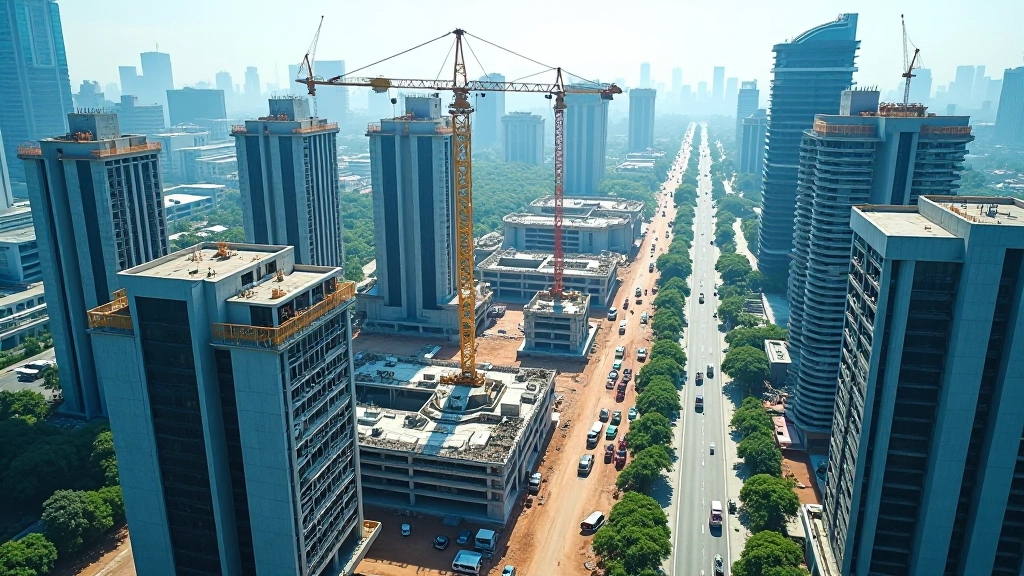
Aerial view of urban construction development with multiple project sites, cranes, and modern buildings in progress

The Numbers Tell the Story

Construction contributes roughly 4% of Malaysia’s GDP annually. That might sound modest until you realize it’s worth over RM60 billion per year. This sector’s ripple effects spread across cement manufacturing, steel production, heavy equipment rental, transportation, and skilled labor markets.

The Twelfth Malaysia Plan allocated approximately RM500 billion for infrastructure development. That’s not theoretical money — it’s real contracts, real jobs, and real economic activity across the country. From Sabah to Perlis, from rural villages to Kuala Lumpur’s skyline, construction is happening everywhere.

Employment in construction isn’t just about quantity — it’s about opportunity. A skilled crane operator earns RM3,500-5,000 monthly. Project engineers command RM5,000-8,000. Safety inspectors, surveyors, architects — the sector creates pathways to middle-class income for hundreds of thousands of Malaysians. Plus, it’s not outsourceable. You can’t build a highway from overseas.

Key insight: For every 10 direct construction jobs created, approximately 3-5 indirect jobs emerge in supporting industries. That’s job multiplication.

Construction workers on scaffolding, wearing safety equipment and hard hats, performing building framework assembly on high-rise project
Modern highway interchange with multiple levels, busy traffic flow, urban landscape with buildings, professional infrastructure photography

Transport Corridors: Connecting Growth

Malaysia’s transport corridors are transforming regional connectivity. The Pan-Borneo Highway, for instance, reduced travel times from Kuching to Miri from 12+ hours to under 6 hours. That’s not just convenience — it’s economic geography reshaping itself.

When transport improves, businesses relocate closer to customers. Manufacturing plants open in previously remote areas. Tourism booms. Real estate values increase. A single highway project generates economic activity for 10-15 years: planning, construction, maintenance, and the secondary businesses it enables.

The construction industry doesn’t just build these corridors — it specializes in them. Heavy-haul expertise, environmental compliance, complex project management across geographically challenging terrain. This isn’t routine construction. It’s specialized expertise that commands premium wages and attracts international technical talent.

Rural Connectivity: Bridging the Gap

Construction in rural areas isn’t glamorous, but it’s essential. Upgrading village roads, installing broadband infrastructure, building water treatment facilities — these projects employ local workers and create permanent jobs. A water treatment plant in Pahang doesn’t just serve that village. It attracts manufacturing, supports agriculture, and enables digital services.

The Twelfth Malaysia Plan specifically targeted rural infrastructure gaps. That’s construction activity in areas that hadn’t seen major investment in decades. For communities like these, construction isn’t an abstract economic concept. It’s visible change. It’s opportunity.

Broadband infrastructure alone required construction crews in over 1,000 rural locations. Fiber optic cable installation, transmission tower construction, network hub facilities — each project employed local teams and contractors. The ripple effects continue for years as businesses finally have digital connectivity.

1,000+ Rural broadband sites constructed
800K+ Direct sector employment
Rural road infrastructure with road construction equipment, asphalt work in progress, rural landscape with vegetation
Modern smart city skyline with contemporary buildings, LED lighting, connected infrastructure, urban development at night

Smart Cities: Building the Future

Smart city construction is where technology meets building. It’s not just about putting up buildings. It’s about integrating IoT sensors, smart grid systems, autonomous parking structures, and traffic management infrastructure. The complexity demands highly trained construction crews, engineers, and project managers.

Projects like George Town in Penang’s smart city initiatives require specialized construction capabilities. Underground utility tunnels with smart conduits. Building foundations designed for fiber integration. Parking structures with automated systems. Each element demands expertise beyond traditional construction.

This specialization creates premium employment. Smart city construction workers earn 20-30% more than standard construction roles. It attracts international expertise and knowledge transfer. A smart city project in Malaysia might employ engineers trained in Singapore, consultants from South Korea, and specialized contractors from Germany. The sector becomes a knowledge hub, not just a labor market.


Looking Ahead: Construction’s Evolving Role

Malaysia’s construction sector isn’t static. It’s evolving toward sustainable practices, digital project management, and modular construction techniques. Green building standards are becoming mandatory, not optional. BIM (Building Information Modeling) is standard practice. Prefabrication and offsite construction are reducing timelines and costs.

This evolution creates demand for continuous skill upgrading. Apprenticeships are becoming more sophisticated. Universities are expanding construction engineering programs. Vocational schools are teaching digital tools alongside traditional skills. The sector that was once seen as low-skill is transforming into a high-tech industry.

The Skill Shift

Tomorrow’s construction worker won’t just operate equipment. They’ll manage digital project data, understand sustainability metrics, work with AI-powered planning tools, and coordinate with automated systems. That’s a fundamentally different job requiring fundamentally different training.

Economic growth doesn’t happen by accident. It’s built — literally. Malaysia’s construction sector is the physical manifestation of economic ambition. From transport corridors to rural connectivity to smart cities, every project is an investment in future prosperity. Every worker on a construction site is building more than structures. They’re building Malaysia’s economic future.

Informational Note

This article is for educational and informational purposes only. It provides general context about Malaysia’s construction sector and infrastructure initiatives based on publicly available information and economic data. While we’ve made efforts to ensure accuracy, specific figures and timelines may change. For detailed information about government infrastructure projects, employment opportunities, or investment decisions, we recommend consulting official sources like the Ministry of Works, Economic Planning Unit, or relevant industry associations. This content is not financial or investment advice.