

Transport Corridors: Connecting Malaysia’s Growth
How strategic transport corridors are reducing travel times between regions and creating new economic zones across Malaysia.
Read ArticleHow infrastructure investment is bringing broadband access, modern roads, and digital services to Malaysia’s countryside communities

Rural communities across Malaysia have long faced a fundamental challenge — limited access to reliable infrastructure. It’s not just about roads and electricity anymore. Today, connectivity means broadband speeds, reliable mobile networks, and access to digital services that urban residents take for granted.
The Twelfth Malaysia Plan recognizes this gap. Through targeted investment in rural infrastructure, the government is working to level the playing field. Farmers need internet to access market prices. Students need connectivity to participate in online learning. Small businesses need digital tools to compete. Without these connections, rural areas fall further behind economically.

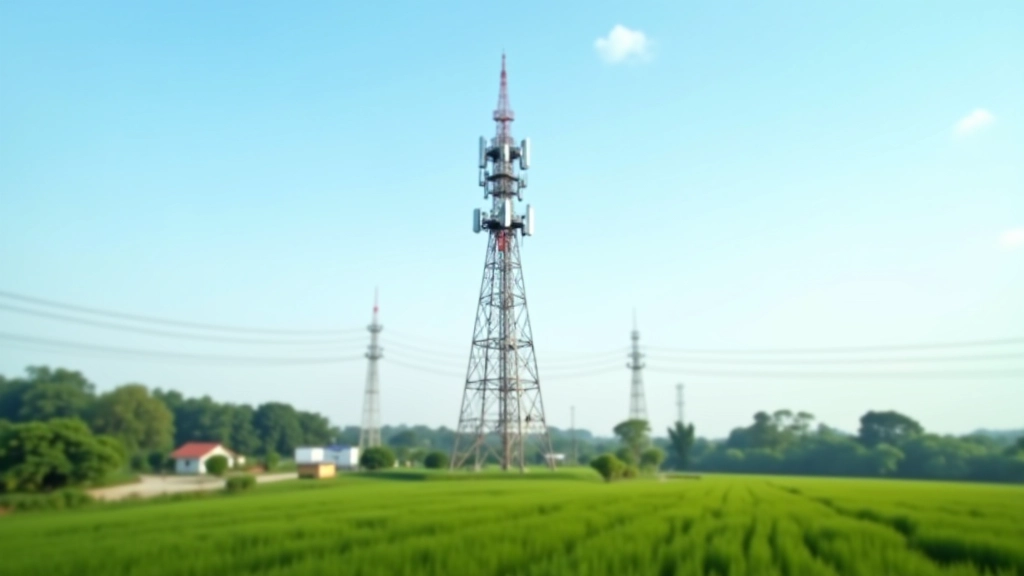
Getting high-speed internet to remote areas isn’t straightforward. You’re looking at fiber optic cables that need to run across long distances, often through difficult terrain. The cost per household served is much higher than urban installations. That’s why the Twelfth Malaysia Plan allocates specific funding for broadband expansion in rural zones.
The target is clear: achieve 80% broadband penetration in rural areas by the end of the plan period. This means investing in both fixed-line fiber and mobile 4G/5G networks. It’s not about luxury — it’s about giving rural populations the same digital foundation that urban Malaysia already has. Schools can stream educational content. Health clinics can access telemedicine services. Small traders can reach customers online.
You can’t talk about rural connectivity without talking about roads. Poor road conditions directly impact economic opportunity. A farmer with fresh produce can’t reach markets if roads are impassable during monsoon season. A student can’t attend school if the journey takes three hours on unpaved tracks.
The Twelfth Malaysia Plan prioritizes upgrading rural road networks through systematic maintenance programs and new construction. We’re talking about widening existing routes, adding proper drainage systems, and paving roads that currently exist only as dirt tracks. This infrastructure work creates immediate employment in rural areas while building the foundation for long-term economic growth.


Having broadband access is only the beginning. Rural areas need practical digital services designed for their specific needs. Government e-services, agricultural information portals, online banking, and telemedicine platforms — these need to be accessible and user-friendly for rural populations who might have less experience with technology.
Digital literacy programs run alongside infrastructure investment. It’s not enough to install cables if people don’t know how to use them effectively. Training programs help farmers understand how to access crop price information, apply for government assistance online, or reach new markets through e-commerce platforms. Local entrepreneurs learn to manage digital marketing and online sales.
“When we got reliable internet, my small vegetable business changed completely. I can check wholesale prices online, reach buyers from three towns over, and handle orders through WhatsApp. The infrastructure investment isn’t just about technology — it’s about opportunity.”
— Farmer, Pahang region
The Twelfth Malaysia Plan’s rural connectivity strategy operates through coordinated phases and partnerships between federal agencies, state governments, and private sector providers.
Comprehensive surveys identify infrastructure gaps in rural areas. Teams map existing networks, assess road conditions, and prioritize zones based on population density and economic potential. This data-driven approach ensures resources reach areas with greatest need.
Contractors begin physical work — laying fiber optic cables, upgrading roads, installing mobile towers. Projects are phased over several years. Local hiring is prioritized where possible, creating employment opportunities within communities receiving upgrades.
Once infrastructure is operational, service providers activate broadband access. Simultaneously, digital literacy programs launch in schools and community centers. Residents learn how to safely use online services, access government resources, and leverage connectivity for economic benefit.
Ongoing maintenance programs ensure infrastructure remains functional. Service quality monitoring tracks broadband speeds and reliability. Community feedback informs adjustments. Regular maintenance of roads prevents deterioration and extends asset lifespan.
Rural connectivity infrastructure delivers measurable improvements across multiple dimensions. Economic activity increases when farmers access better markets and small businesses operate online. Health outcomes improve with telemedicine access. Education quality rises as students can access online resources and participate in distance learning when needed.
Migration patterns shift too. Young people increasingly stay in or return to rural areas when they can find decent employment opportunities and access services comparable to urban centers. This helps preserve rural communities and sustains agricultural sectors that depend on skilled labor.

Rural connectivity isn’t really about technology for its own sake. It’s about fairness. It’s about ensuring that where you’re born doesn’t determine your opportunities. When a farmer in Kedah has the same broadband speeds as someone in Kuala Lumpur, that’s progress. When a student in Terengganu can attend online classes during emergencies, that’s progress. When a small business in Pahang can compete nationally through e-commerce, that’s progress.
The Twelfth Malaysia Plan’s focus on rural infrastructure represents sustained commitment to this principle. The investments take time and significant resources. But they’re investments that yield returns — in economic growth, in social equity, in community stability, and in national competitiveness. Rural Malaysia isn’t peripheral to the nation’s future. It’s central to it. And proper connectivity makes that centrality real.
Explore related topics about Malaysia’s infrastructure transformation and economic development strategies.

This article provides informational content about rural connectivity infrastructure and the Twelfth Malaysia Plan. The information is based on publicly available sources and general understanding of infrastructure development principles. Specific details about project timelines, funding allocations, and implementation schedules are subject to change. For current official information about government infrastructure programs, please refer to official government websites and announcements. This content is educational in nature and shouldn’t be considered as official policy guidance or investment advice.